Tree plantation is one of the most practical ways a community can care for its future. A sapling may look small on the day it is planted, but with care it can become shade, cleaner air, soil support, and a visible sign of public responsibility. For Mahaa Foundation Mahalingpur, tree plantation is not only about planting trees. It is about encouraging people to care for public spaces after the activity is over.
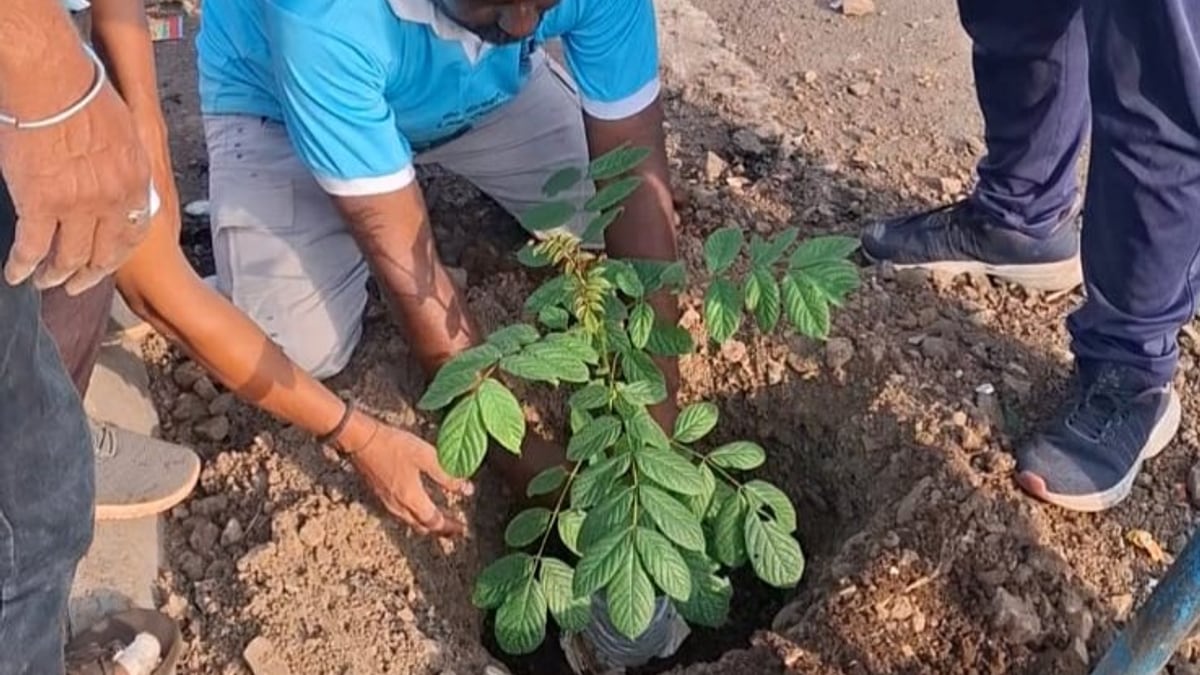
Mahaa Foundation planted 100 trees on both sides of Double Road in Mahalingpur through its own contribution. This work reflects a simple idea: greenery should grow where people live, walk, study, work, and travel every day. When trees are planted near public roads and community spaces, the benefit is shared by everyone.
Why Tree Plantation Matters Locally
Mahalingpur and nearby areas continue to grow. As towns grow, public responsibility becomes more important. Trees help improve the comfort of roads and shared spaces. They can reduce heat, provide shade, support birds and small living systems, and remind citizens that public areas need care.
Tree plantation also helps people understand environmental responsibility in a direct way. A speech about green spaces may be useful, but planting a sapling creates a stronger connection. Volunteers, students, residents, and supporters can see the work with their own eyes. They can also understand that a planted tree needs protection, watering, and regular attention.
Plantation Is Only the First Step
Many tree drives fail because saplings are planted and then forgotten. Mahaa Foundation believes that tree plantation should include awareness about aftercare. Saplings need protection from damage, support during dry periods, and encouragement from local residents.
After a plantation activity, volunteers can help by speaking with nearby people, checking whether saplings are safe, and encouraging basic care. This long-term thinking is what turns a one-day drive into a real community habit.
How Volunteers Can Help
Volunteers do not need special training to support tree plantation. They need discipline, respect for public spaces, and willingness to work with others. A volunteer can help arrange saplings, prepare locations, support planting, speak with residents, document the work, and help follow up after the drive.
Students and youth can also learn valuable lessons from plantation work. They learn patience, teamwork, and responsibility. A sapling does not become a tree overnight. It needs time and care. That lesson is useful in social service too.
Tree Plantation and Community Welfare
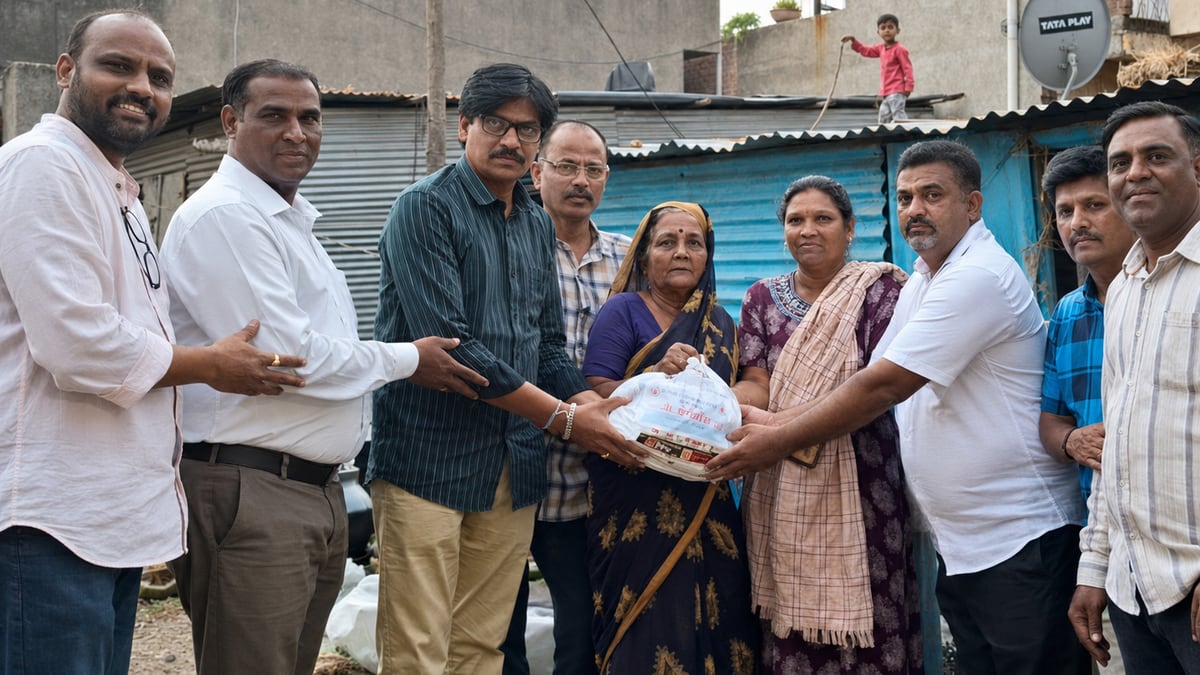
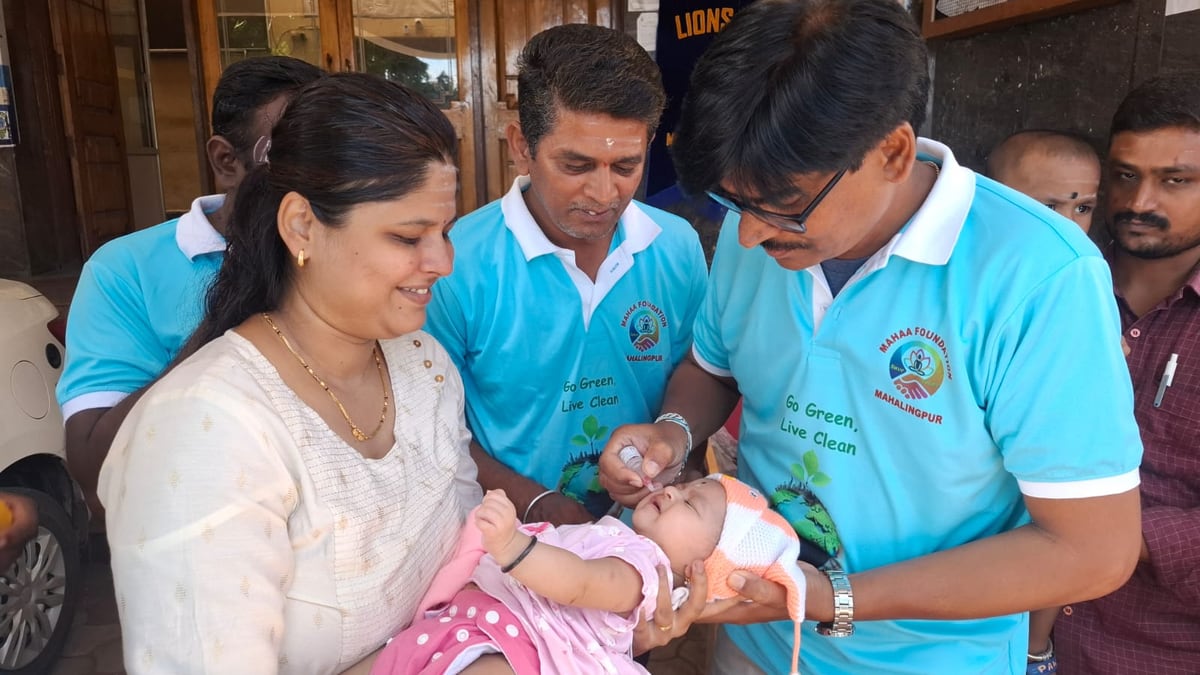
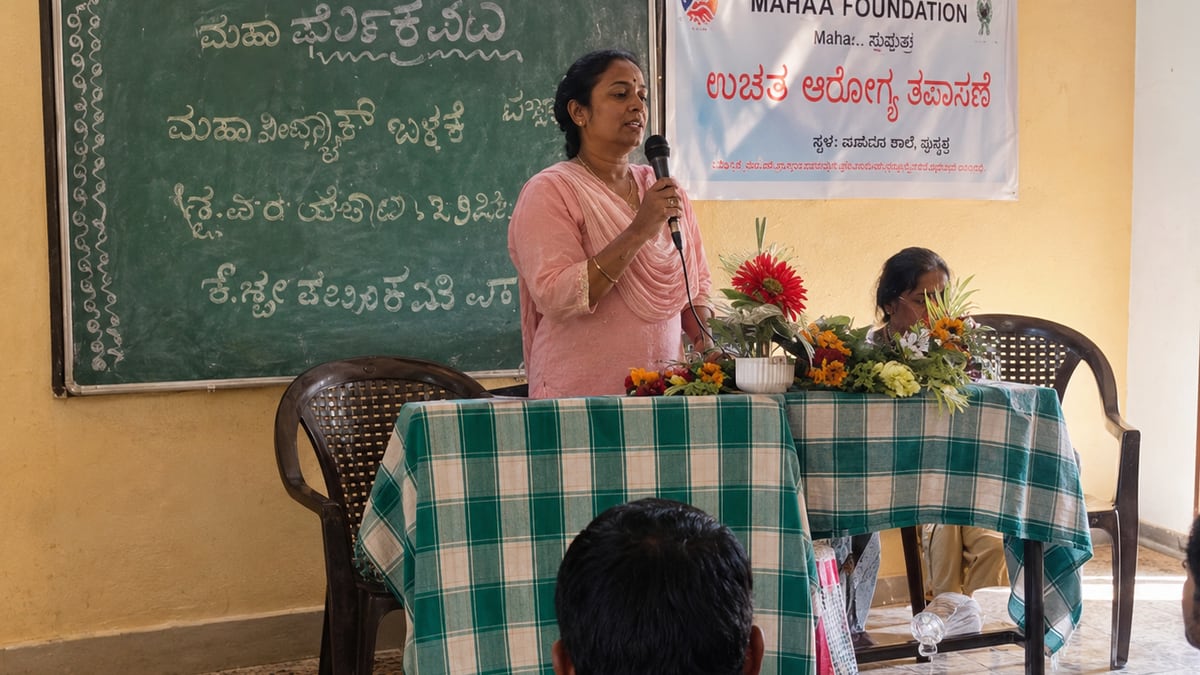
Tree plantation connects with many other forms of welfare. A greener area can improve comfort for walkers, students, shopkeepers, and families. Public greenery can make local streets feel more cared for. When communities come together for trees, they also become more ready to work together for cleanliness, student support, food support, and health awareness.
This is why Mahaa Foundation keeps environmental content under practical work areas like tree plantation, cleanliness awareness, plastic-free awareness, environmental responsibility, and social service.
Join the Work
If you want to support greener public spaces in Mahalingpur, visit the Tree Plantation page. To give your time, visit the Volunteer page. To see activity photos, visit the Gallery. To support future activities, visit the Donate page.
Tree plantation becomes meaningful when people continue caring after the photo is taken. With volunteers, donors, students, and residents working together, Mahalingpur can become greener and more responsible one activity at a time.